

Why Carbon Dioxide Storage Tanks Are Widely Used: Applications, Safety, and Operational Best Practic
Why Carbon Dioxide Storage Tanks Are Widely Used: Applications, Safety, and Operational Best Practices
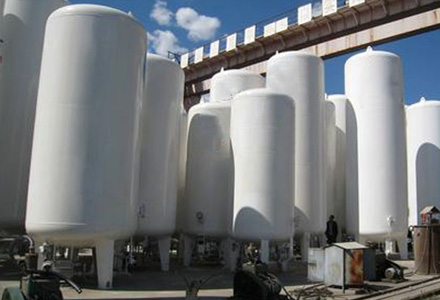
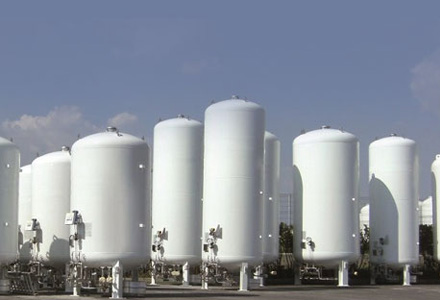
Carbon dioxide (CO2) storage tanks play a crucial role in a multitude of industries, stemming from the versatile applications of liquid carbon dioxide itself. Liquid CO2 serves not only as a potent refrigerant, vital for preserving food products and even facilitating artificial rainfall (cloud seeding), but also as a key raw material in various industrial processes. It’s a fundamental building block in the production of essential commodities like soda ash (sodium carbonate), urea (a nitrogen-based fertilizer), and carbonated beverages like soda water. Given this widespread utilization across diverse sectors, the reliable and safe storage of liquid CO2 is paramount.
While the necessity of carbon dioxide storage tanks is well-understood, ensuring their safe and efficient operation requires strict adherence to established guidelines and preventative measures. Minimizing errors during operation is crucial for both safety and maintaining the quality of the stored CO2. Here are some key considerations for the operation of these systems:
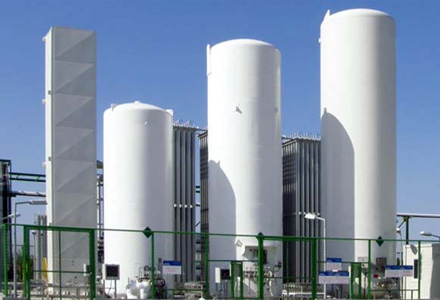
Optimal Installation Site Considerations: The location of a carbon dioxide storage tank is critical. To ensure adequate ventilation and minimize potential hazards, these tanks are typically installed outdoors. A secure fenced perimeter is essential to restrict unauthorized access and protect the tank from accidental damage. Furthermore, the surrounding area must be free of potential ignition sources like open flames, flammable or explosive materials, and low-lying areas where heavier-than-air CO2 could accumulate, potentially creating an oxygen-deficient environment. A minimum radius of 5.5 meters around the tank should be maintained clear of these hazards. Consideration should also be given to prevailing wind patterns to further mitigate any potential CO2 build-up.
Grounding and Lightning Protection for Safety: Carbon dioxide storage tanks must be meticulously equipped with robust grounding and lightning protection systems. These measures are essential to effectively dissipate static electricity build-up, preventing the risk of sparks that could ignite flammable materials (if any were present, which should not be the case per point #1!). The anti-static grounding resistance should be stringently maintained at or below 10 ohms. Similarly, the lightning protection system, designed to withstand significant electrical surges, should exhibit an impact resistance of 30 ohms. To ensure continued effectiveness, the lightning protection system must undergo thorough testing at least annually, with meticulous records kept of the inspection results and any maintenance performed.
Contamination Prevention and Regular Inspection: The introduction of contaminants into the carbon dioxide storage system can compromise the purity of the CO2 and potentially damage equipment. Therefore, the use of oil or any oil-based lubricants is strictly prohibited. Regular inspections are mandatory to identify and address any potential sources of contamination. All valves used in the system must be constructed from compatible materials such as stainless steel or copper to minimize corrosion and ensure long-term reliability. These valves must be meticulously inspected at regular intervals and subjected to a rigorous degreasing process to remove any trace of hydrocarbons or other contaminants.
Valve Operation and Shutdown Procedures: Proper valve operation is paramount to the safe and controlled handling of liquid CO2. During both opening and closing, valves should be operated slowly and deliberately to prevent pressure surges or rapid temperature fluctuations that could damage the system. During shutdown procedures, particular attention must be paid to the booster valve, which should be securely closed to prevent any unintended pressure buildup or loss of CO2.
Repair Procedures and Precautions: Under no circumstances should hot work (e.g., welding, cutting) be performed on a carbon dioxide storage tank while it contains liquid CO2. Before any repair work commences, the tank must be completely emptied and allowed to warm to room temperature. This eliminates the risk of explosion or other hazards associated with working on a pressurized, low-temperature vessel. If emptying the tank is not immediately feasible, and the tank cannot be heated to room temperature promptly, all valves connecting the tank to external systems must be immediately closed. This is critical because the extremely low temperatures inside the tank can draw in moist air through connected pipes, leading to the formation of ice and subsequent blockage of the pipelines. This blockage can create pressure imbalances and potentially damage the system.
By adhering to these guidelines, operators can ensure the safe, efficient, and reliable operation of carbon dioxide storage tanks, contributing to the continued success of the many industries that rely on this versatile substance. Regular training and adherence to safety protocols are key to preventing accidents and ensuring the long-term integrity of the storage system.





Comments