

Why Carbon Dioxide Storage Tanks Are Widely Used and Their Operational Best Practices
Why Carbon Dioxide Storage Tanks Are Widely Used and Their Operational Best Practices
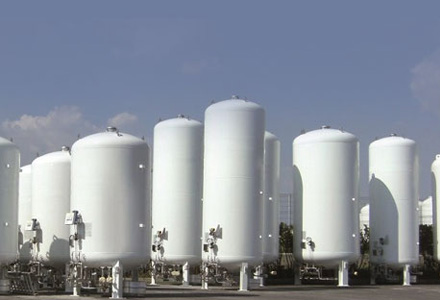
Carbon dioxide (CO₂) storage tanks are integral to various industries due to the versatile applications of liquid CO2. This refrigerant is widely used for food preservation, artificial rainfall, and as an industrial raw material in the production of soda ash, urea, and soda water, among other applications. Given its broad utility, ensuring the safe and efficient operation of CO2 storage tanks is paramount. Here are the key considerations for the proper installation and maintenance of these tanks to minimize operational errors:
Installation Site Requirements:
Ventilation and Safety: The installation site should be well-ventilated to prevent the accumulation of CO₂, which can be hazardous in high concentrations. Tanks are typically installed outdoors with surrounding fences to restrict access and enhance safety.
Safety Zones: Ensure there are no open flames, flammable, or explosive materials within a 5.5-meter radius of the tank. Avoid low-lying areas to prevent the accumulation of CO₂, which is heavier than air.
Grounding and Lightning Protection:
Static Electricity Management: Equip the tanks with grounding and lightning protection devices to guide and reduce static electricity, which can be generated during the movement of CO₂. The anti-static grounding resistance should not exceed 10 Ω.
Regular Testing: The impact resistance of the lightning protection device should be tested at least once a year to ensure it remains effective.
Valve and Inspection Protocols:
Valve Materials: Prohibit the use of oil and ensure that valves are made of stainless steel or copper, which are resistant to corrosion and can handle the low temperatures of CO₂.
Regular Inspections: Conduct regular inspections and ensure that all valves are strictly degreased to prevent contamination and malfunctions.
Operational Best Practices:
Valve Operation: Open and close valves slowly to prevent sudden pressure changes that can damage the tank or piping system. During shutdown, ensure that the booster valve is strictly closed to maintain system integrity.
Hot Work Protocols: When the tank contains liquid CO₂, prohibit hot work for repairs. Ensure the tank is heated to room temperature before any repair work is conducted to avoid potential hazards.
Post-Use Procedures:
Immediate Closure: When the tank has been emptied of liquid CO₂ and cannot be immediately heated, close all valves to prevent the intrusion of moist air through connected pipes. Moist air can cause pipes to freeze and block, leading to operational disruptions.
Environmental Considerations: Ensure that the tank is properly insulated to maintain temperature and prevent condensation, which can lead to corrosion or other issues.
By adhering to these best practices, industries can ensure the safe and efficient operation of carbon dioxide storage tanks, thereby maximizing their utility and minimizing the risk of operational errors.






Comments