

The Extensive Utilization of Cryogenic Storage Tanks Across Diverse Industries
The Extensive Utilization of Cryogenic Storage Tanks Across Diverse Industries
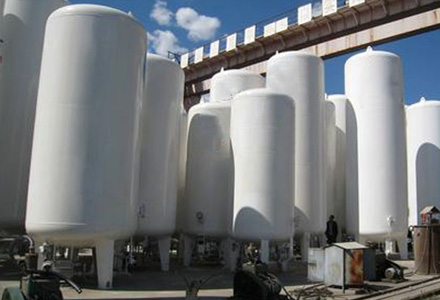
Cryogenic storage tanks are indispensable devices designed for the preservation and containment of materials at extremely low temperatures. These tanks are extensively employed across a multitude of industries due to their exceptional cooling and insulation capabilities. Their ability to maintain a stable cryogenic environment makes them an essential asset for various enterprises and institutions requiring reliable cryogenic storage solutions.
Chemical Industry:
The chemical and pharmaceutical industries heavily rely on cryogenic storage tanks for the safe storage and transportation of low-temperature chemicals. Substances such as high-purity gases, liquid oxygen, liquid nitrogen, and liquid argon necessitate storage at extremely low temperatures to maintain their stability and prevent hazardous reactions. Cryogenic storage tanks offer a consistent low-temperature environment, thereby preserving the physical and chemical properties of these substances. This ensures their safe handling and usage in various industrial processes, from manufacturing to medical applications.
Healthcare Sector:
In the healthcare industry, cryogenic storage tanks are crucial for the preservation of medical supplies, including vaccines, blood samples, and other biological materials. The ability to maintain these items at low temperatures is essential for their efficacy and safety. For instance, certain vaccines require storage at cryogenic temperatures to remain effective. The reliability of cryogenic storage tanks in maintaining these conditions is vital for public health initiatives and medical research.
Food Industry:
The food industry stands as one of the primary sectors benefiting from the application of cryogenic storage tanks. Products such as frozen foods, ice cream, seafood, and other perishable items that necessitate low-temperature storage are typically preserved in these tanks. The precise temperature control and superior insulation properties of cryogenic storage tanks not only prolong the shelf life of these food products but also ensure their quality, taste, and nutritional value are maintained. This is particularly crucial for maintaining the integrity of food items during transportation and storage, thereby reducing waste and enhancing food safety.
Scientific Research:
In the realm of scientific research, cryogenic storage tanks are pivotal for the preservation and study of biological specimens. These include cells, tissues, enzymes, and other biological materials that require long-term storage at ultra-low temperatures for future experiments and analyses. The stable cryogenic environment provided by these tanks safeguards the integrity and viability of these samples, ensuring that they remain unaltered and available for critical research endeavors. This capability is vital for advancements in fields such as genetics, microbiology, and medical research, where the preservation of biological samples is paramount.
Energy Sector:
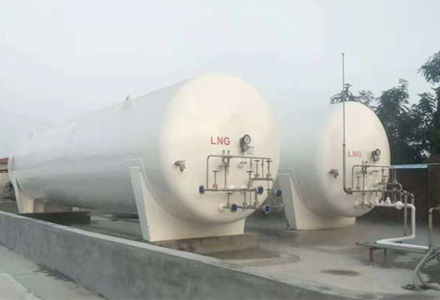
The energy sector also benefits from the use of cryogenic storage tanks, particularly in the storage and transportation of liquefied natural gas (LNG). LNG must be kept at extremely low temperatures to remain in a liquid state, and cryogenic storage tanks provide the necessary environment for this purpose. This facilitates the efficient and safe transport of natural gas across long distances, contributing to the global energy supply chain.
Conclusion:
In summary, cryogenic storage tanks are vital components across a wide array of industries. Their role in ensuring the quality, safety, and longevity of various materials is unparalleled. From healthcare and food preservation to scientific research and chemical engineering, these tanks provide indispensable low-temperature storage solutions. As technological advancements continue and the demand for efficient storage solutions grows, cryogenic storage tanks will undoubtedly play an even more significant role in various sectors, offering innovative and reliable solutions for low-temperature storage needs. Their continued evolution will further enhance their applicability, ensuring they meet the ever-changing demands of modern industries.




Comments