

How to Choose Between Vertical and Horizontal Cryogenic Storage Tanks
How to Choose Between Vertical and Horizontal Cryogenic Storage Tanks
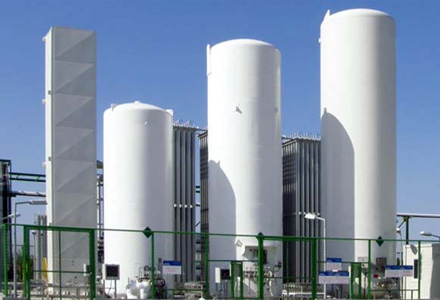
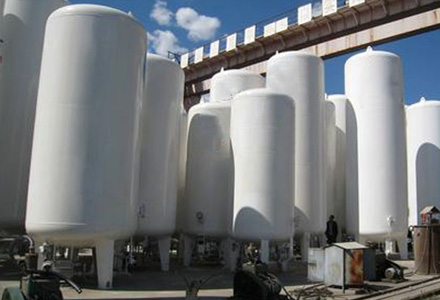
Cryogenic storage tanks are essential equipment used to store liquid low-temperature media, commonly including liquefied natural gas (LNG), liquid oxygen (LOX), liquid nitrogen (LIN), and other cryogenic liquids. When deciding between vertical and horizontal cryogenic storage tanks, several key factors need to be considered:
1. Space Requirements
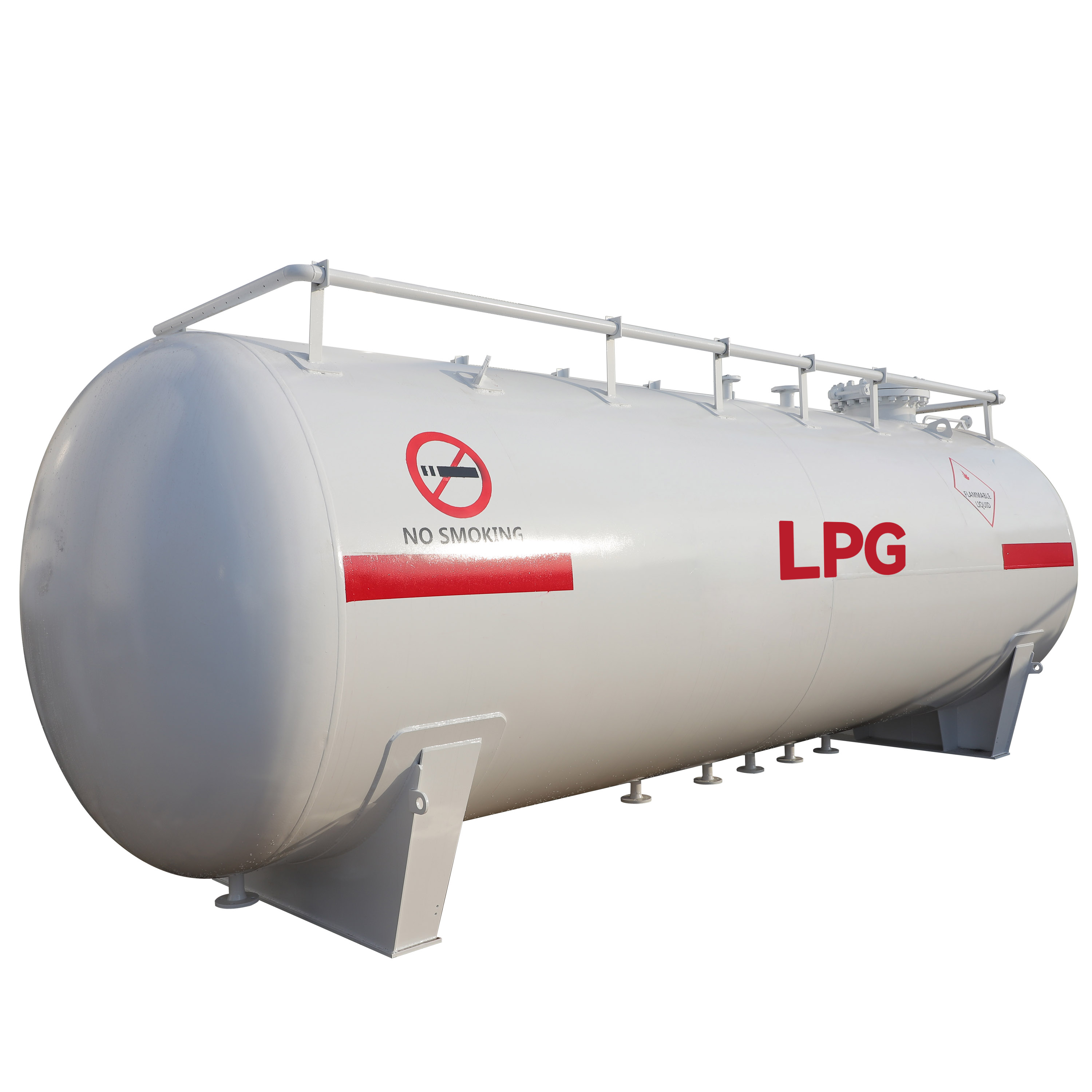
One of the primary considerations is the available space for installation. Vertical storage tanks typically require a smaller ground area and are ideal for installations in limited spaces. This makes them suitable for urban environments or sites with restricted land availability. In contrast, horizontal storage tanks require a larger horizontal space, making them more suitable for open areas or sites with ample land.
2. Liquid Level Control
Maintaining a stable liquid level in the storage tank is crucial due to the effects of evaporation and changes in liquid volume. Vertical tanks generally offer better level control capabilities. The liquid can naturally balance within the tank through gravity, ensuring a more stable and consistent liquid level. Horizontal storage tanks, on the other hand, may require more sophisticated level control systems to overcome the effects of gravity in the horizontal direction, making level management slightly more challenging.
3. Stability Considerations
Stability is another critical factor in selecting the appropriate storage tank. Vertical storage tanks have a lower center of gravity, which enhances their stability and wind resistance. This makes them a reliable choice for areas with high wind speeds or other environmental challenges. Horizontal storage tanks, while stable, often require more ground support and additional equipment to ensure they remain stable under various conditions. If stability is a high priority, vertical storage tanks may be the better option.
4. Maintenance and Operation
Maintenance and operational ease are also important considerations. Vertical cryogenic storage tanks are generally easier to repair and maintain due to their structural design. Access to the tank's internal components is straightforward, reducing downtime and maintenance costs. Horizontal storage tanks, however, may require more effort and specialized equipment for maintenance and operation. This can result in higher operational costs and more complex maintenance procedures.
5. Cost Considerations
Cost is a significant factor in any decision-making process. Vertical storage tanks often have a higher initial cost due to their more complex design and manufacturing process. However, their lower maintenance requirements and higher stability can offset these initial costs over time. Horizontal storage tanks, while generally less expensive to purchase, may incur higher long-term costs due to increased maintenance needs and potential operational challenges.
6. Environmental Impact
The environmental impact of the storage tanks should also be considered. Vertical tanks, with their smaller footprint, can have a lower environmental impact in terms of land use. However, their higher initial cost and potential for higher energy consumption during operation should be weighed against these benefits. Horizontal tanks, while requiring more land, may offer advantages in terms of energy efficiency and operational flexibility.
7. Safety and Regulatory Compliance
Safety and regulatory compliance are paramount when dealing with cryogenic liquids. Both vertical and horizontal tanks must meet stringent safety standards and regulations. Vertical tanks may offer better safety features due to their design, which can reduce the risk of leaks and other hazards. However, horizontal tanks can also be designed to meet high safety standards, and their layout may offer easier access for emergency response.
Conclusion
Choosing between vertical and horizontal cryogenic storage tanks involves a careful evaluation of space requirements, liquid level control, stability, maintenance needs, cost, environmental impact, and safety considerations. By weighing these factors against your specific needs and constraints, you can make an informed decision that ensures efficient and safe storage of cryogenic liquids.





Comments