


Fuel Dispensers
Fuel Dispensers: A Comprehensive GuideFuel dispensers, also known as gas pumps or petrol pumps, are ubiquitous pieces of equipment found at fueling stations worldwide.
Email: sales@jianshentank.com
Wechat/Whatsapp: +86 15517238365
Add: NO. 591 WENFENG ROAD, WENFENG DISTRICT, ANYANG, HENAN, CHINA
Fuel Dispensers: A Comprehensive Guide
Fuel dispensers, also known as gas pumps or petrol pumps, are ubiquitous pieces of equipment found at fueling stations worldwide. These sophisticated machines play a crucial role in accurately measuring and delivering fuel to vehicles of all types. More formally referred to as motor vehicle fuel dispensers, they are complex systems integrating precise flow measurement, dispensing mechanisms, and advanced control technologies.
Types of Fuel Dispensers
Fuel dispensers come in a variety of configurations, tailored to meet diverse needs and operational requirements. Here’s an overview of common classifications:
Display Type:
Mechanical Dispensers: These older models utilize a mechanical display system, relying on gears and dials to indicate dispensed volume and price. While robust, they lack the advanced features of modern counterparts.
Electronic/Computerized Dispensers: The standard today, these dispensers feature digital displays, advanced computational capabilities for pricing, and often include options for payment processing.
Number of Nozzles (Guns):
Single-Gun Dispensers: Designed for basic, single-fuel dispensing.
Dual-Gun Dispensers: Allow for the simultaneous dispensing of two different fuel types or the delivery of fuel to two vehicles at once.
Multi-Gun Dispensers: Capable of handling multiple fuel grades or serving several vehicles simultaneously, often found at high-traffic stations.
Pump Type:
In-Plane (Suction) Pump Dispensers: Employ a pump located within the dispenser cabinet, drawing fuel from underground storage tanks.
Submersible Pump Dispensers: Utilize a pump located within the underground storage tank itself, offering more efficient fuel delivery, particularly over longer distances.
Flow Rate:
Standard Dispensers: Designed for typical passenger vehicle refueling.
High-Speed Dispensers: Provide a faster flow rate, often used for commercial vehicles like trucks and buses.
Explosion-Proof Design:
Integrated Explosion-Proof Dispensers: The entire unit is designed to prevent explosions by containing any potential ignition sources.
Isolated Explosion-Proof Dispensers: Critical components are isolated in separate, explosion-proof enclosures for enhanced safety.
Anatomy of a Fuel Dispenser: Key Components & Their Functions
A fuel dispenser is more than just a pump; it’s a meticulously engineered system with numerous interrelated components. Here's a breakdown of the key parts and their functions:
Computer Device: The brain of the dispenser. This unit is responsible for control, operation, display, and data storage. It receives signals from the nozzle switch to initiate dispensing, controls the motor and solenoid valve, and calculates volume via data from the counting sensor.
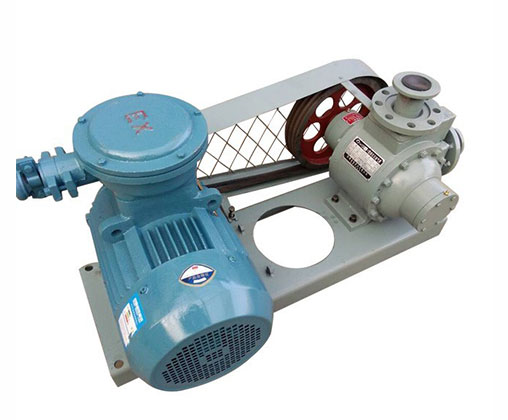
Oil Pump: This acts as the powerhouse of the system, drawing fuel from storage tanks and driving it through the rest of the dispenser. It’s powered by an electric motor and ensures consistent delivery.
Oil and Gas Separator: Crucial for accurate measurement, this component separates any vapor or air from the fuel being drawn from the tank. This prevents the dispenser from metering gas, ensuring accurate volume readings.
Flow Meter: The heart of the measurement system. It measures the precise volume of fuel passing through the dispenser before it reaches the vehicle. This data is relayed to the computer unit for display and price calculation.
Counting Sensor (or Encoder): Converts the mechanical movement of the flow meter into electrical pulses which are interpreted by the computer unit. More advanced systems utilize encoders in place of simple sensors, particularly in anti-tampering designs, for a higher degree of accuracy and security.
Solenoid Valve: Serves as the hydraulic switch, controlled by the computer, for starting and stopping fuel flow. Modern dispensers often use multiple valves to achieve higher dispensing precision.
Fuel Nozzle (Gun): The tool used to fill vehicle fuel tanks, consisting of a nozzle, shut-off valve, and often a self-sealing mechanism to prevent spillage.
Nozzle Switch: An electrical switch that signals the computer that the nozzle has been removed from its holster, triggering the start of the dispensing sequence.
Advancements and Future Trends
The fuel dispenser is continuously evolving. Modern dispensers incorporate features like:
Integrated payment terminals, including contactless options
Advanced fraud prevention mechanisms
Remote monitoring capabilities
Integration with loyalty programs
Compatibility with alternative fuels such as biofuels and hydrogen
Conclusion
Fuel dispensers, while often taken for granted, are sophisticated pieces of technology that are critical to the smooth operation of transportation networks. Understanding their workings and the various types available can give one a newfound appreciation for the engineering and precision built into these essential devices. From basic mechanical pumps to cutting-edge electronic dispensers, they remain at the forefront of the ever-evolving energy landscape.





Comments